
The opposite
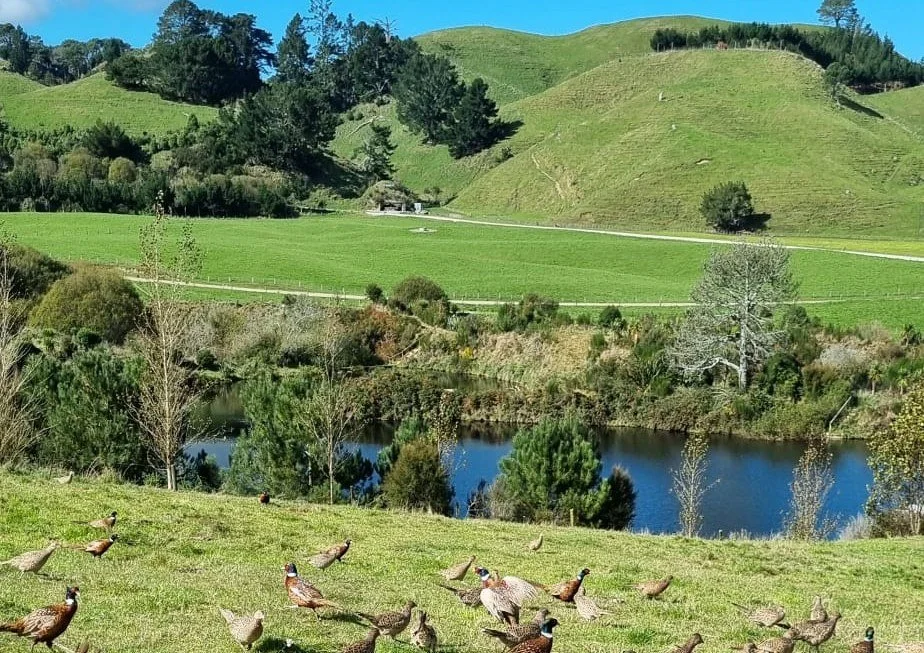
Pheasants feeding on open grassland beside a pond in the rolling countryside of New Zealand.
As everyone is gearing up for the upcoming season in the Northern Hemisphere, we, at the bottom end of the world in New Zealand, are slowing down and planning for the next season.
Yes, you did hear me correctly: New Zealand, the land of hobbits and orcs.
On these islands, which are about the same size as the UK, we also do driven pheasant shooting!
Everything over here is the opposite of the UK and Europe. At this moment, as I write this in September, it's the start of spring.
But, to be truthful, this year is a bit out of whack. The last shoot season was full of clear, warm, still, blue-sky days, and now it's windy and cold. It's the weather I wanted for last season, but oh well, best not dwell.
I wasn't quite sure how or where to start this, or if this was going to be a one-off. But the more I have been thinking about it, and not wanting it to look like a massive essay, I might put up the odd bit every now and again about things that may vary from the UK on the gamekeeping side, or just the differences between NZ and the UK as I know them.
I'm not an expert anyway, but these are just the things I do and what works well for me in NZ.
Me
I'm not going to bore you with my life's story.
I grew up in Lincolnshire and fell in love with all countryside activities and gamekeeping from a young age. I got the chance to run a small farm shoot for a few years, then had a bit of time in Romania, where I set up an English-style shoot.
After four seasons in Romania, I got a job on the North Island of New Zealand.
New Zealand
Firstly, as I mentioned, New Zealand has driven pheasant shoots. It isn't as well known for this as it is for its massive stags and big-game hunting, but yes, we have driven pheasant shooting and some exceptional shooting as well.
As you have probably seen in videos and pictures, New Zealand is a stunning place to live. The North Island is the most populated, with approximately four million people. Its landscape is more like the UK, with rolling hills, steep hill country, mountainous areas and a massive moor.
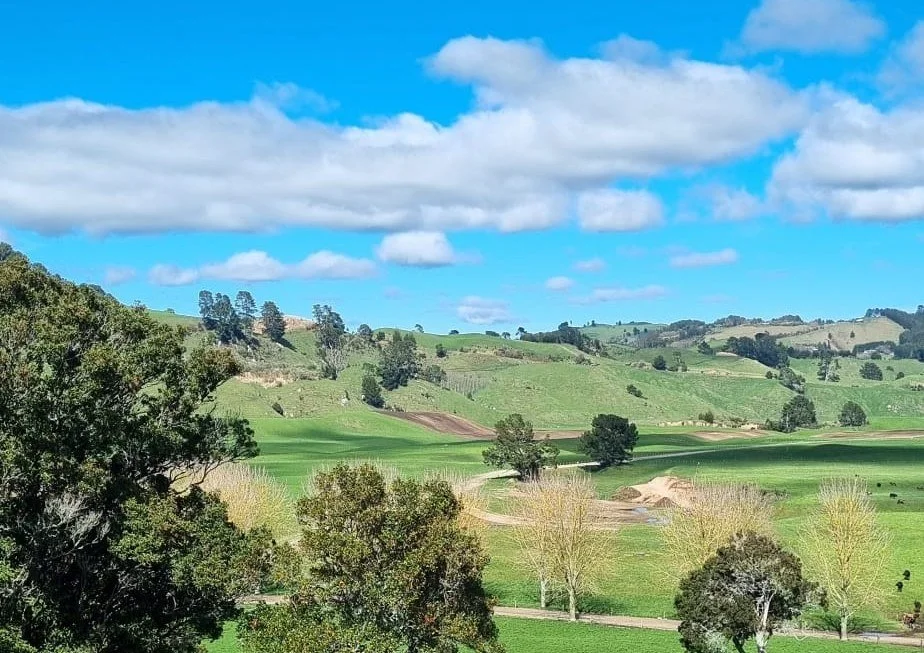
A wide view across green farmland and rolling countryside on New Zealand’s North Island.
The South Island is like stepping back in time, with the Southern Alps running along the western side, with glaciers and fjords, etc. But this is no travel show; you all get the picture... back to pheasants.
Driven shooting is quite a new thing, as it has only been around for the last 20 to 30 years. We only have about eight commercial shoots in NZ, and all but one are on the North Island.
The Shoot
In New Zealand, we have a much smaller population, so that means we don't do the amount of shooting that most of the UK does. A large shoot like ours will do anywhere between 25 and 35 days a season.
As we release our own birds, we can start a bit earlier than the game-bird hunters on public land, but we generally run from late April to the end of August. The pheasant season for public-land hunters runs from the first weekend of May until the end of August.
Ducks are a different thing altogether. That's a whole separate section in itself.
Where I work, we are the longest-running shoot in New Zealand, and we have been going for 15 to 20-ish years. At one point, we were the biggest, but now a few new shoots have popped up and we sit around the middle to upper end of the table for shoot days and birds.
It's a great place to be. My ego has softened a bit from when I first got there, and now doing the number of days we do is plenty. Don't get me wrong: I'm always looking to make those days as close to perfect and changing things around to make them better if and when possible.
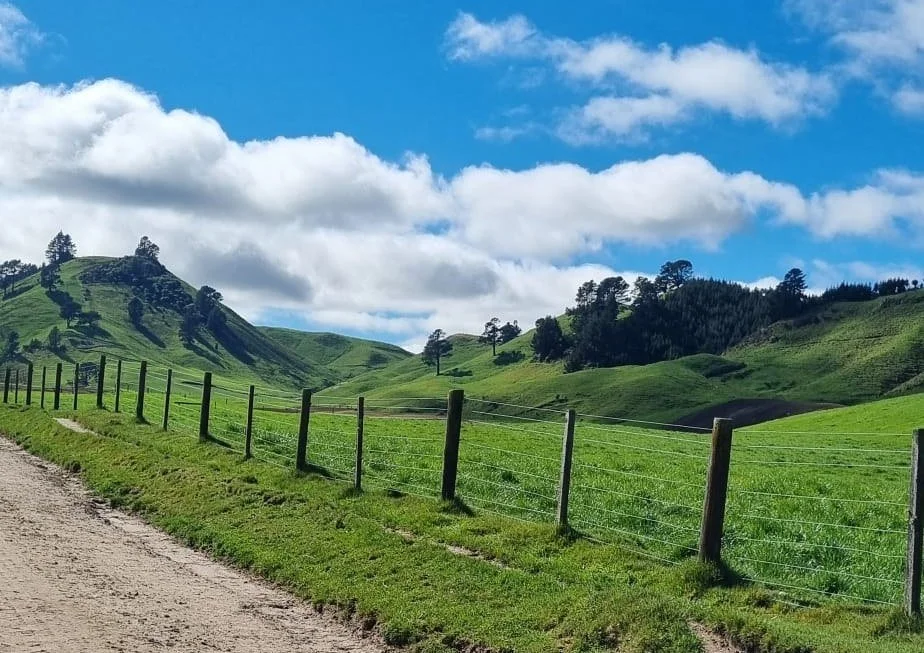
Rolling green hill country in New Zealand, viewed along a farm track with fencing and steep pasture.
The estate shoots pheasants only, and we present a good variety of birds at all different heights, angles and locations, which makes for an excellent all-round pheasant shoot - and one that I'm happy to have helped develop.
I have always said that when I got here, it was a farm with pheasants on it; now it is a pheasant shoot on a farm.
Post Season
The season ended, and it was a great season all in all. The weather wasn't favourable, but we got there, with everyone leaving happy and booking days for next year. That, for a keeper, is all the praise you need.
The one thing everyone always says when the season ends is, "So, what are you going to do now? Have you got plans for a big holiday?"
The truth is that, on the Monday after our keeper's day, which is always on a Saturday, you're already busy with that many jobs that you have been thinking about or just ran out of time for before the birds arrived seven months earlier.
For me, the first jobs are always planting and catching up birds. There is no set rule for catching up birds as there is in the UK. We could catch up after the season finishes, but most don't. Old habits die hard.
As the farm is mainly cattle, grass and stock-feed crops are king! So, after every season, I need to have as few birds as possible left on the farm, as grass seed is replanted only a month after the end of the season and swedes need to be planted in October.
As we don't breed our own birds, the birds I catch are mainly given away to other farms or lifestyle blocks, so people can see pheasants walking around their properties. It's a nice thing to know the birds are getting spread around and finding new habitats in which to live out the rest of their days.
Planting has played a massive role in the development of the shoot. Native trees and miscanthus have been planted in stages pretty much every year for the last 10-ish years.
The native trees in NZ differ massively from those in the UK. I might go into more detail on NZ trees in a later article. The natives we plant are mostly shrubby evergreens and wetland grasses or flax. This gives us good cover all year.
I will get into why we plant miscanthus, or elephant grass, in a later article.
Thanks for reading part one of New Zealand Gamekeeping.
