
ABOUT ROB BARNARD
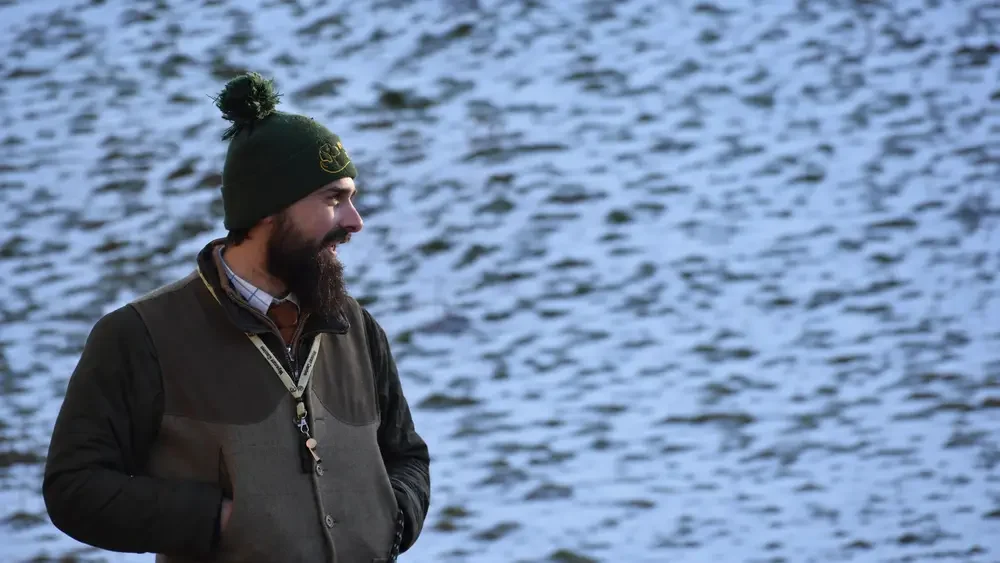
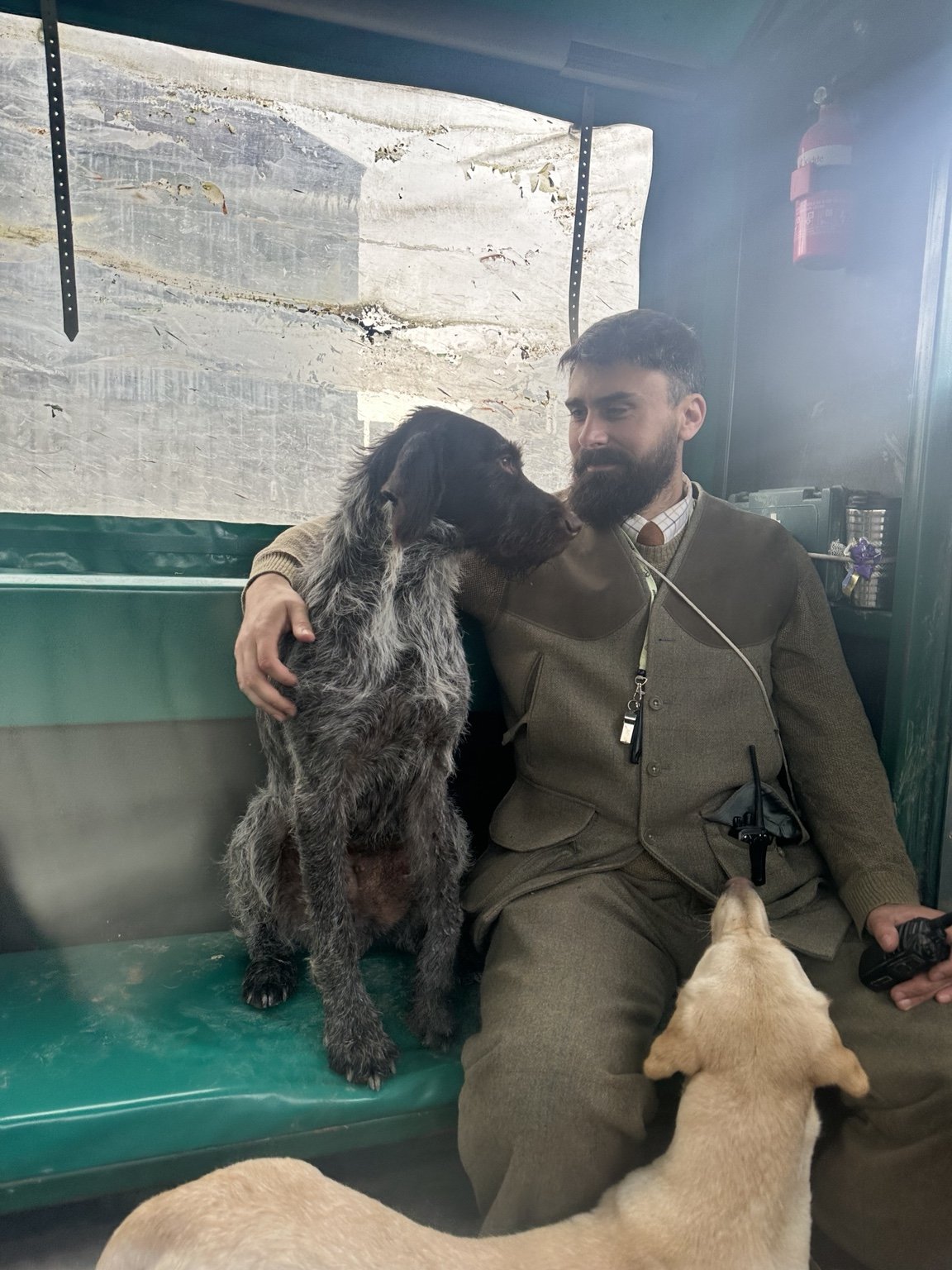
My name is Rob Barnard, and I’m a gamekeeper in the UK. I grew up on a farm where we had a small family shoot and from a young age I enjoyed helping to feed and look after the pheasants whenever I was home.
WHERE IT BEGAN
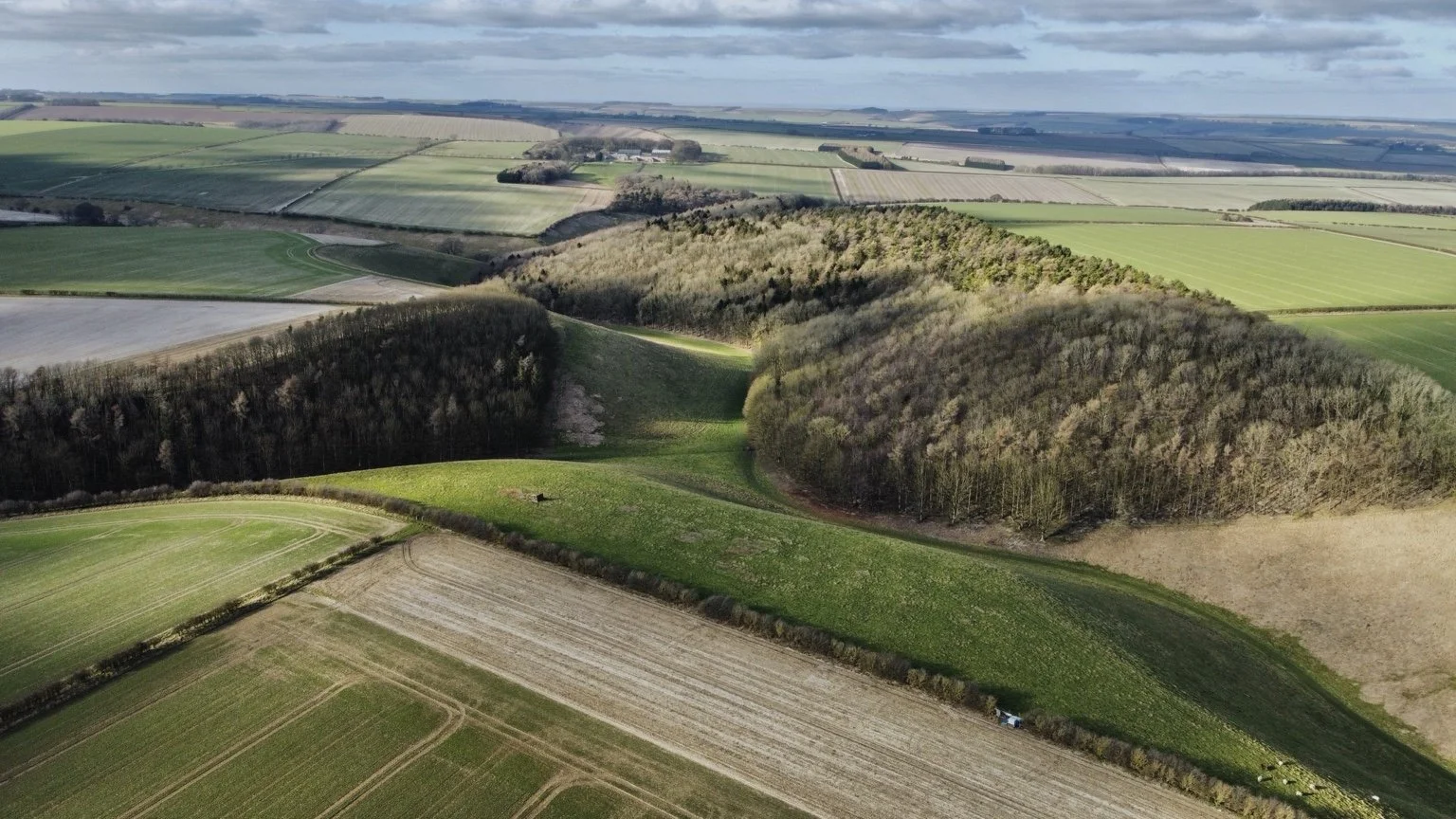
I didn’t go to gamekeeping college. After leaving school, I worked on a game farm and for a large agricultural contractor to earn a living, while working on as many shooting estates as possible.
This was usually unpaid, but I did it to gain the necessary experience and contacts to get my foot in the door.
BECOMING A GAMEKEEPER
At 20, I moved to Belgium for my first proper gamekeeping job. I spoke no French and didn’t even know what my head keeper looked like until I arrived at the airport and found him holding a piece of paper with my name on it.
We worked closely together for a year on a pheasant shoot and ended the season by breaking the shoot’s record.
When I returned to England, I spent five seasons working my way from underkeeper to beatkeeper. I am now going into my ninth season in my current job, managing the gamekeeping across two estates while also working on the farm and helping maintain the grounds.
FROM PRINT TO FILM
Before starting YouTube, I wrote a monthly Gamekeeper’s Diary column for Shooting Times for two years. I’m very dyslexic, so writing has never been easy for me, and my partner or family would help check everything before I sent it in. Moving from writing about the job to filming it felt like a natural next step.
I started A Gamekeeper’s Diary in February 2026. I’m naturally quite introverted, but I welcomed a new challenge and a chance to learn something new. I felt there was a gap for someone to show the whole job—not only the shooting, but the work that happens throughout the year before a shoot day is ever possible.
MORE THAN SHOOT DAY
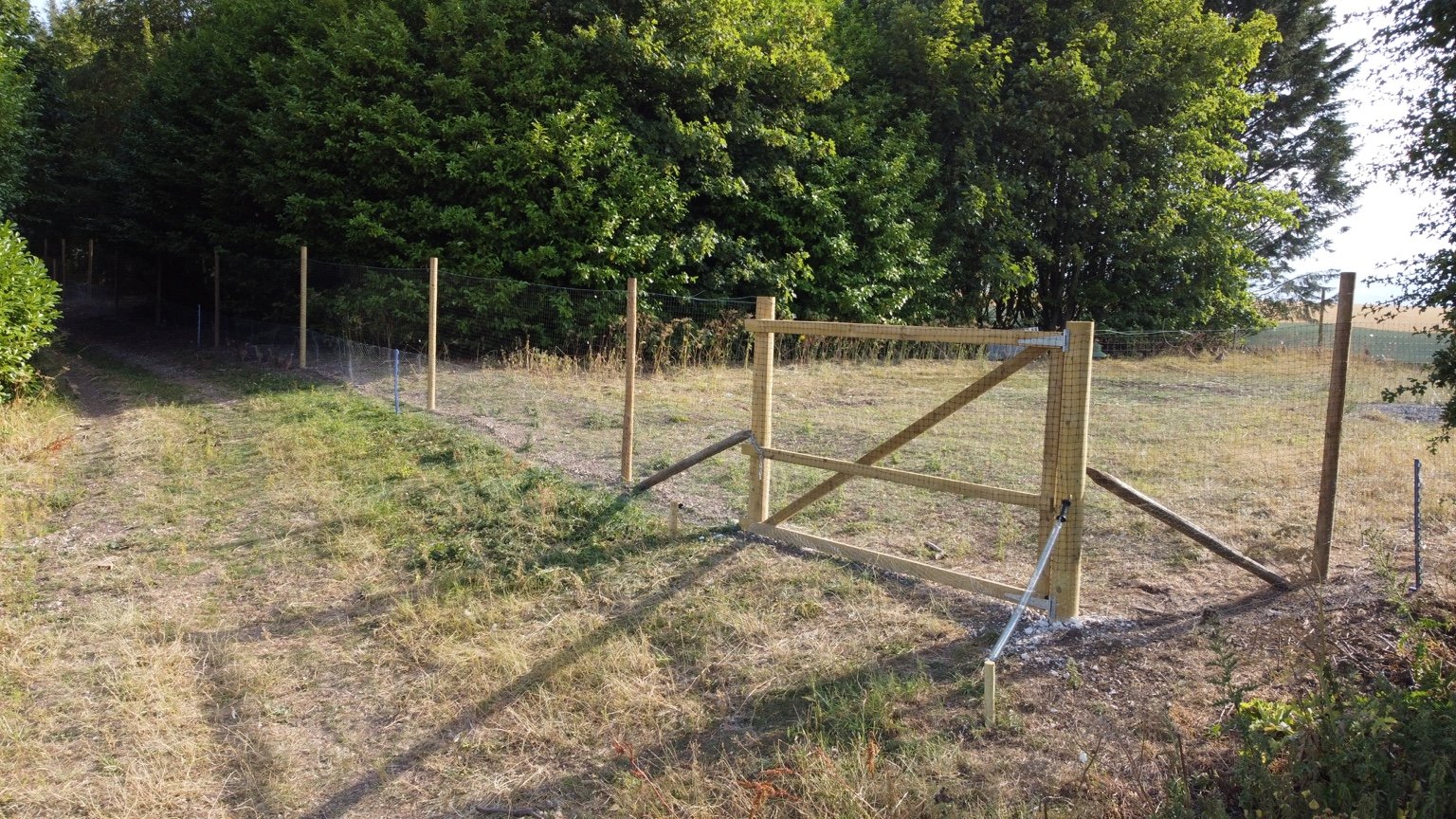
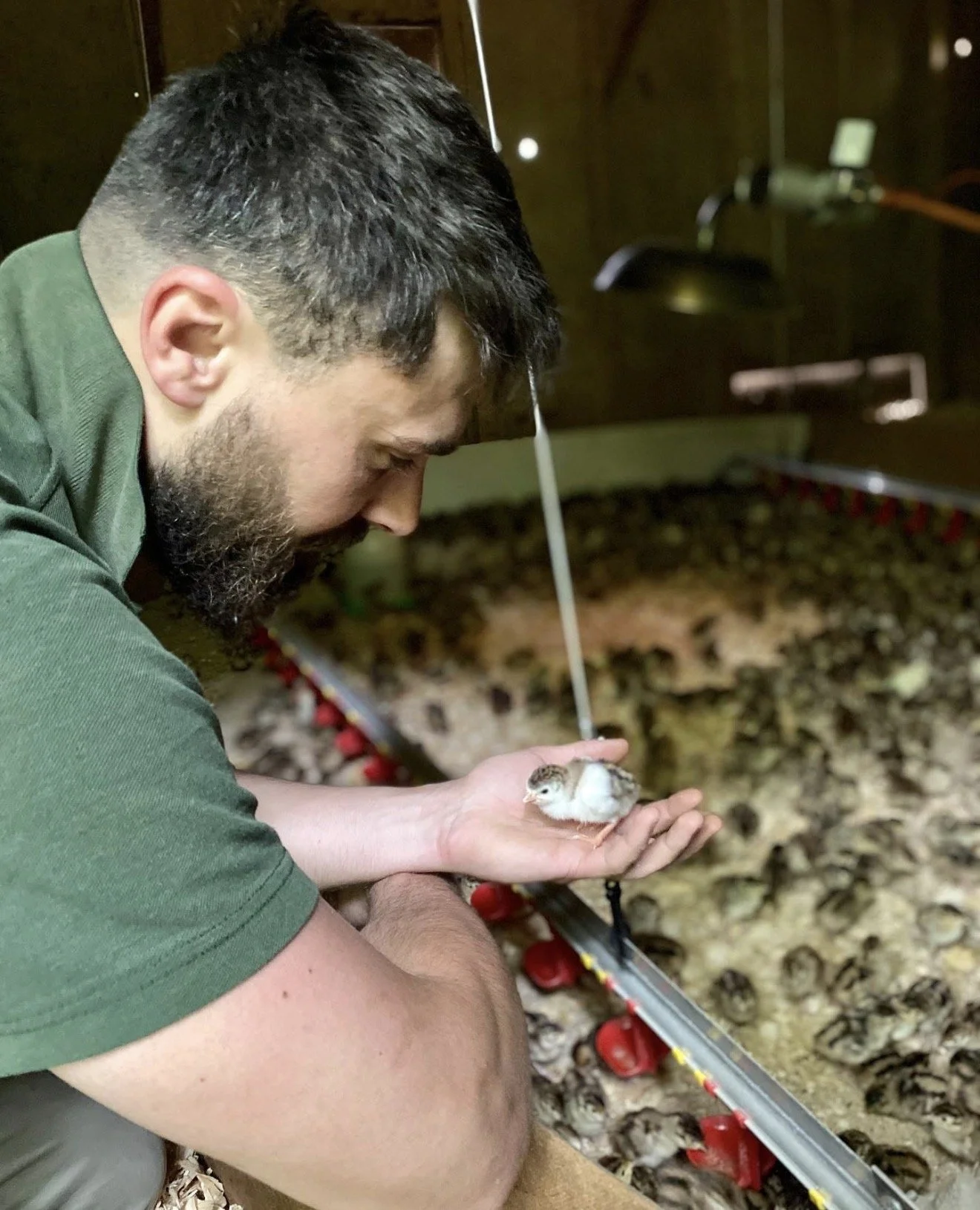
The shooting season may be the part most people see, but it is only the end result of months of work caring for pheasants and partridges. From the moment they arrive, their welfare, safety and surroundings are my responsibility, and when something goes wrong, I take it personally.
The woodland, hedgerows, game covers, food and water also support wild birds and other wildlife. Seeing wild broods is one of the most rewarding signs that the work is benefiting the wider countryside.
Predator control is part of that management, but I approach it carefully and only where it is needed.
THE SACRIFICES BEHIND THE JOB
Away from work, I’m a father to boy-and-girl twins, with my daughter being one minute older than my son. During the busiest months, I can leave before they wake and return after they are asleep.
Sometimes, watching them sleep is the only time I see them during the working week. I always try to get home for an hour or two at weekends, but the job still takes me away from them more than I would like. Those aren’t only sacrifices we keepers make—our partners and children make them too.
WHERE IT GOES NEXT
What started as a few videos has grown into weekly uploads, social media and now this website. I’m not pretending that I have every step mapped out, but I’m building it steadily and seeing where it can lead.
I’m taking each day as it comes and listening to you—the people who watch, comment and follow along—as I decide where to take it next. Whatever happens, I’ll keep showing gamekeeping as honestly as I can: the good days, the difficult ones and everything in between.